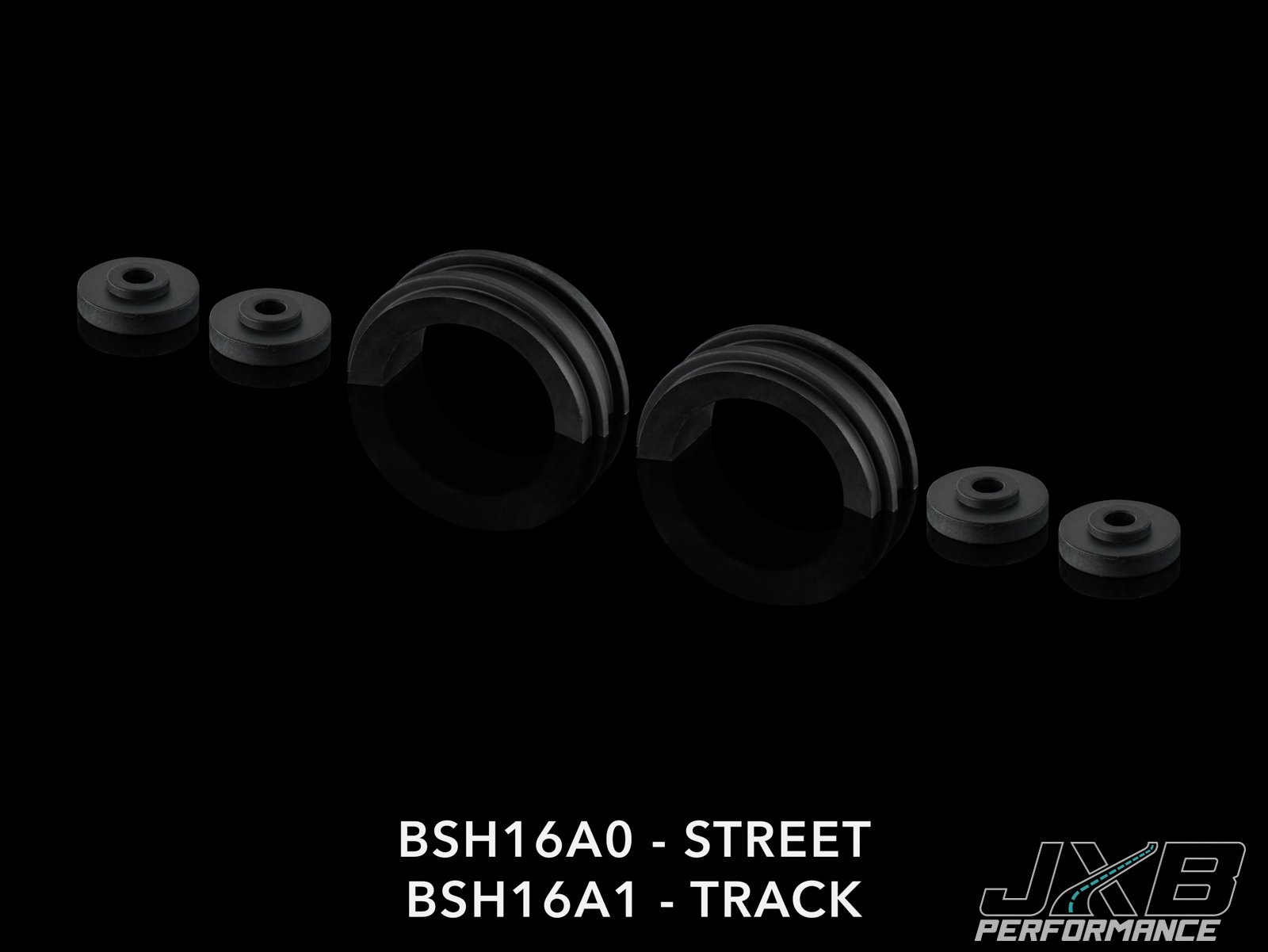
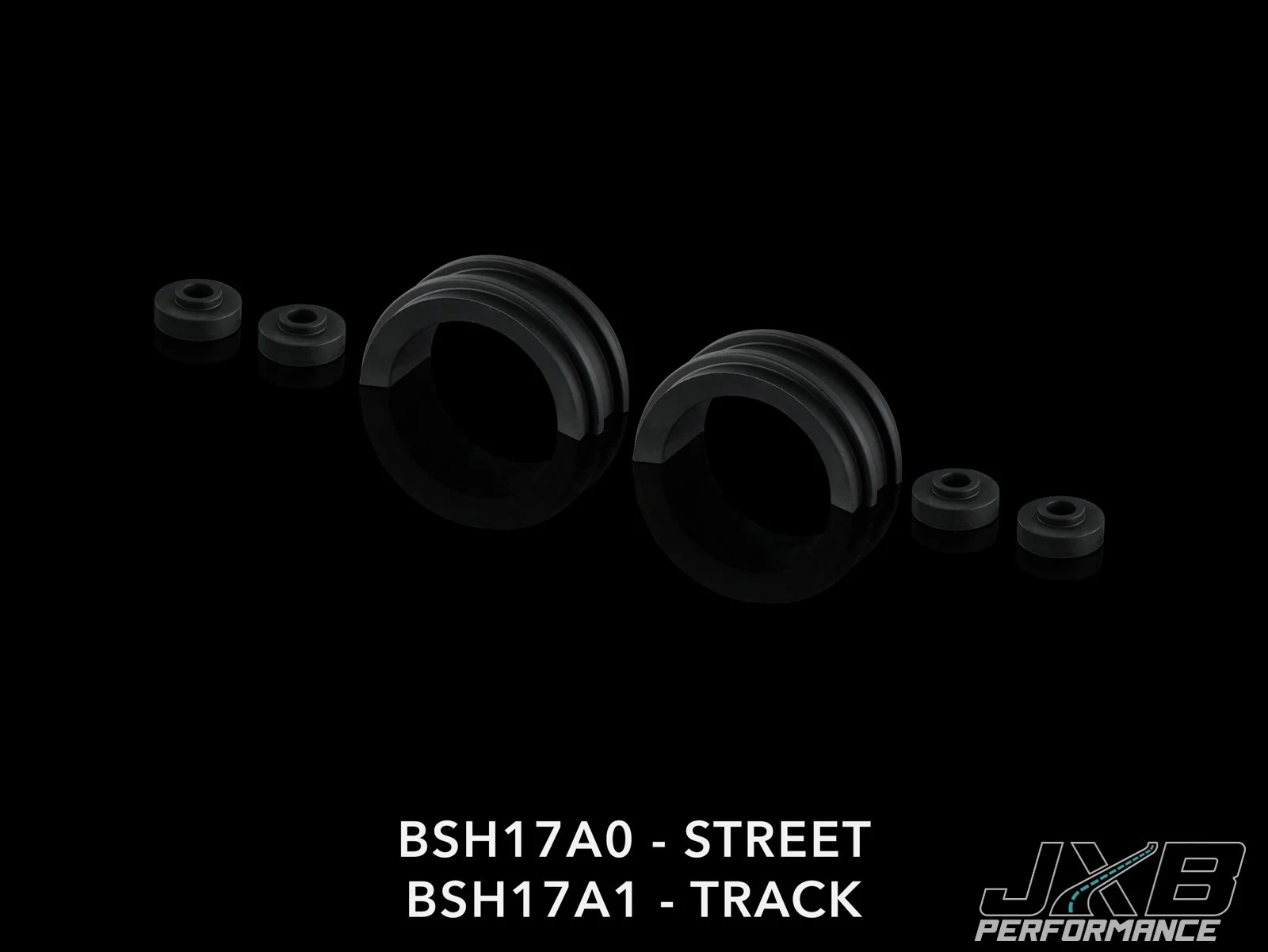
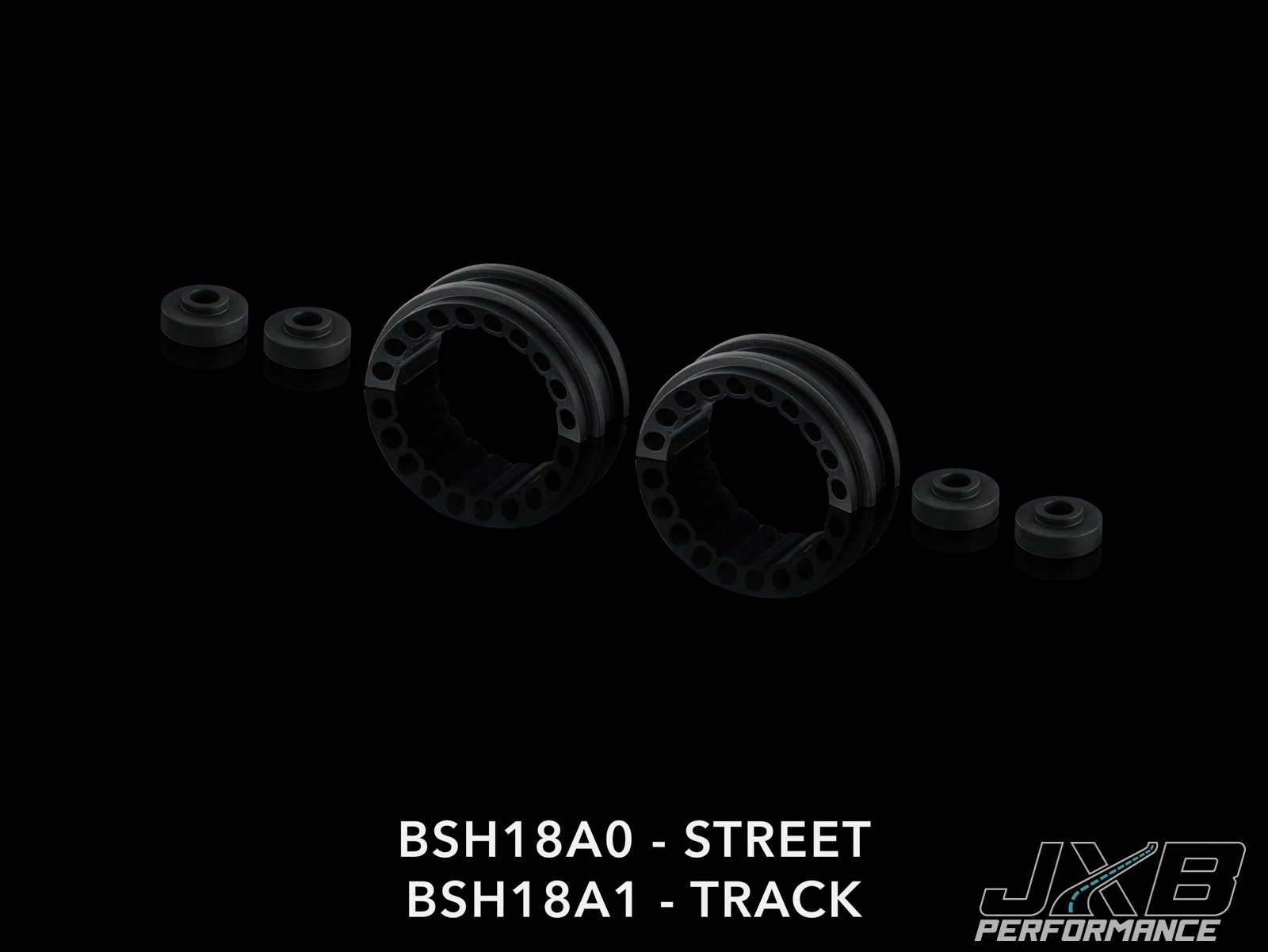
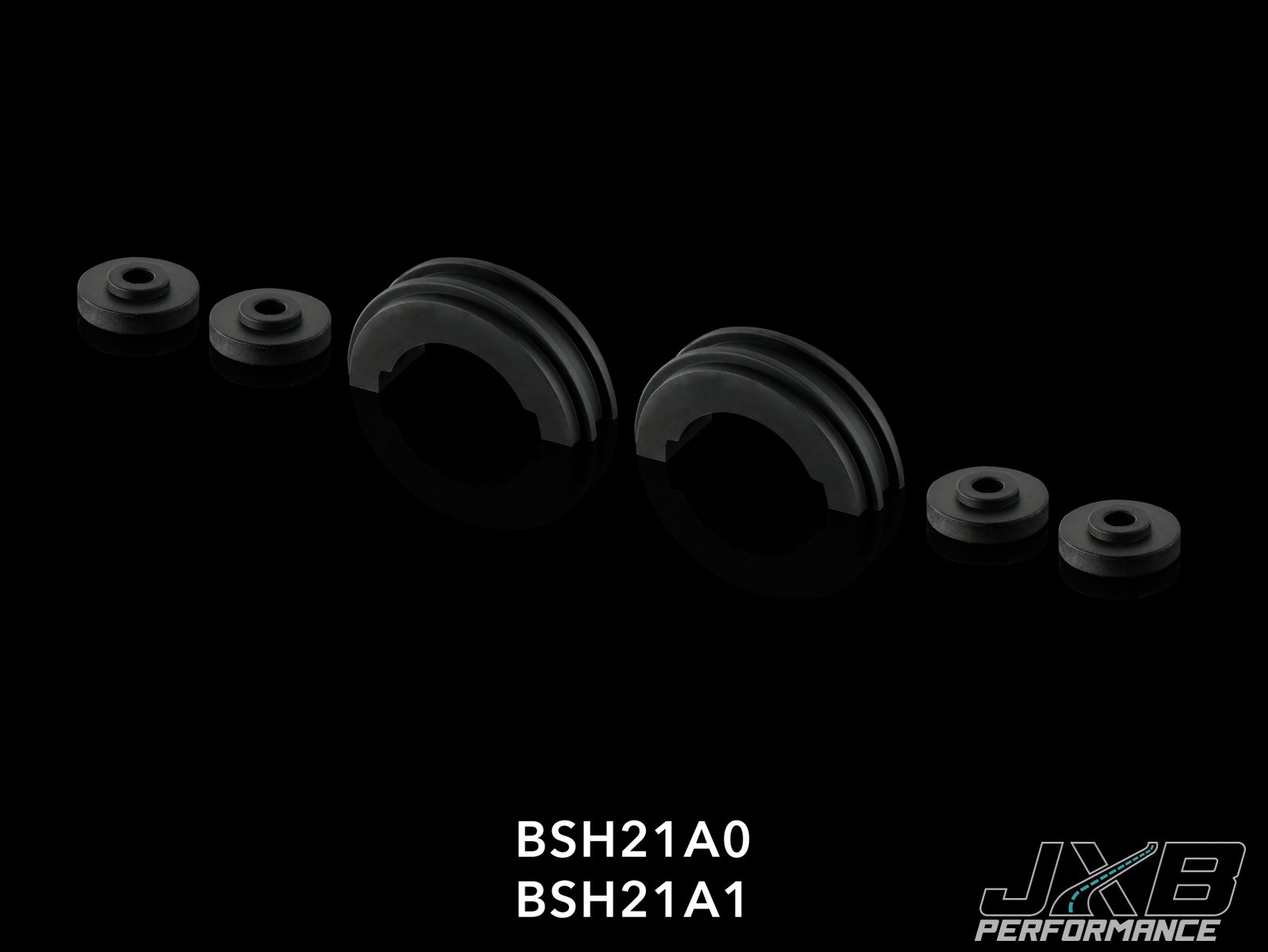
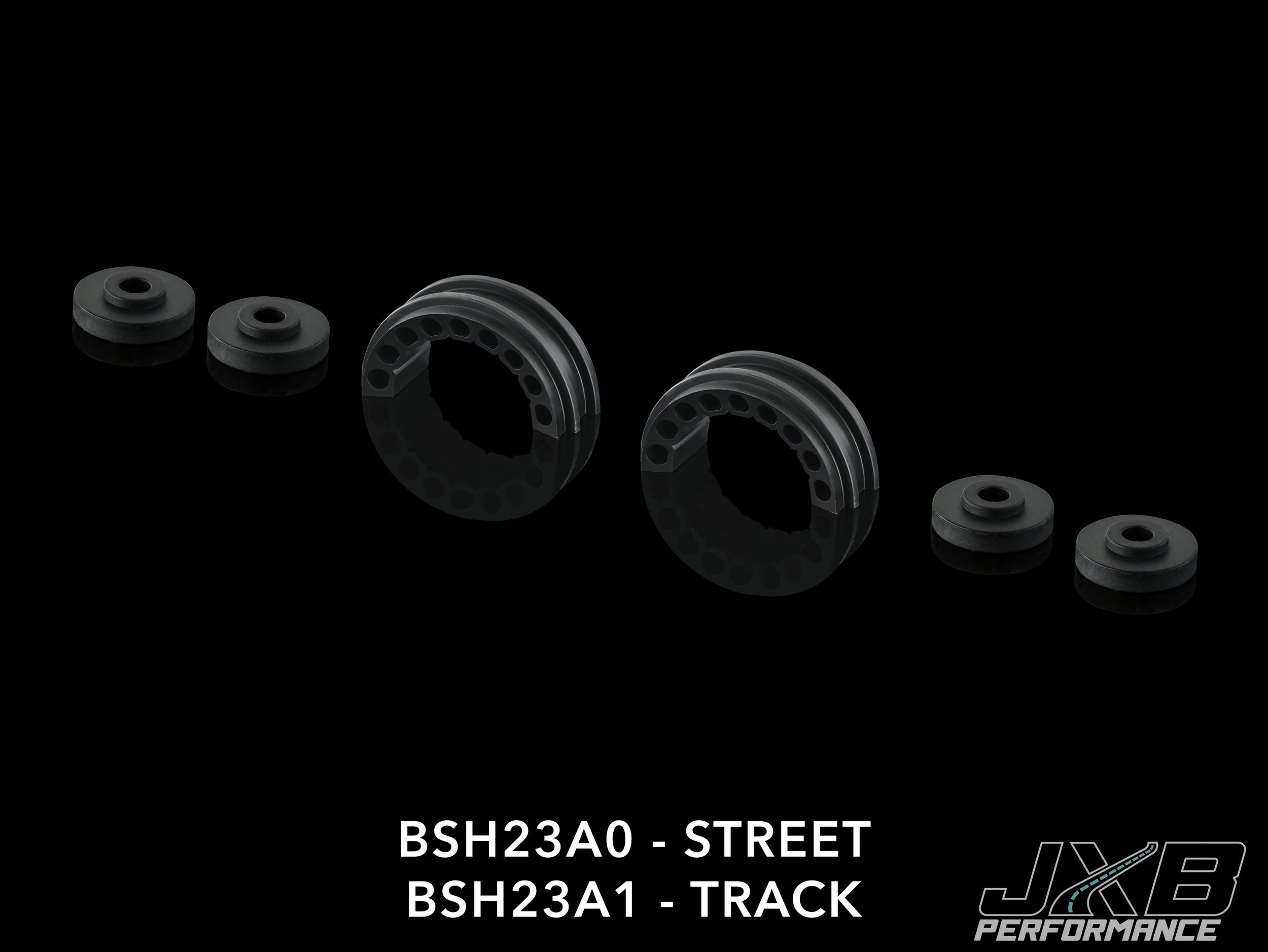
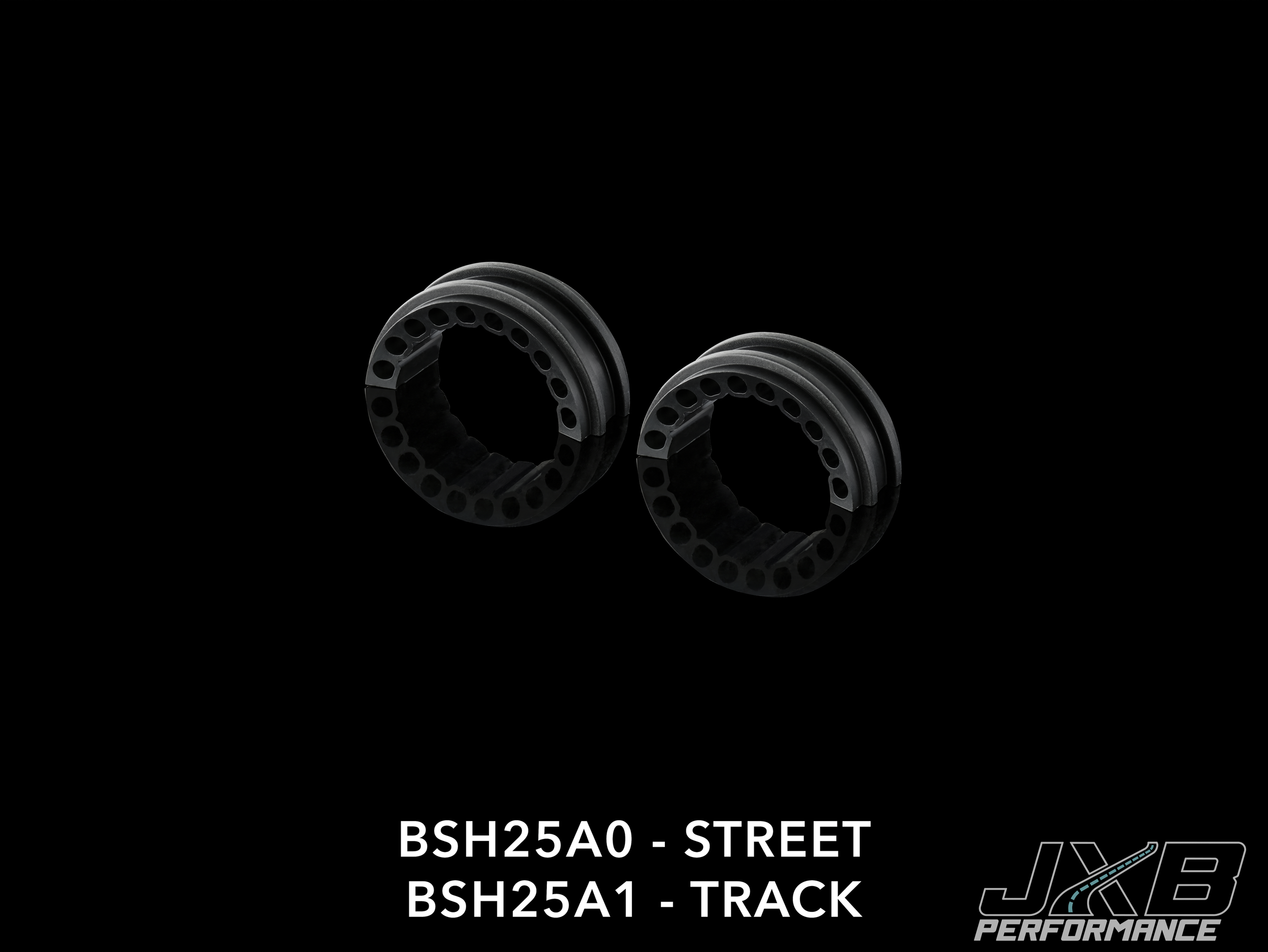
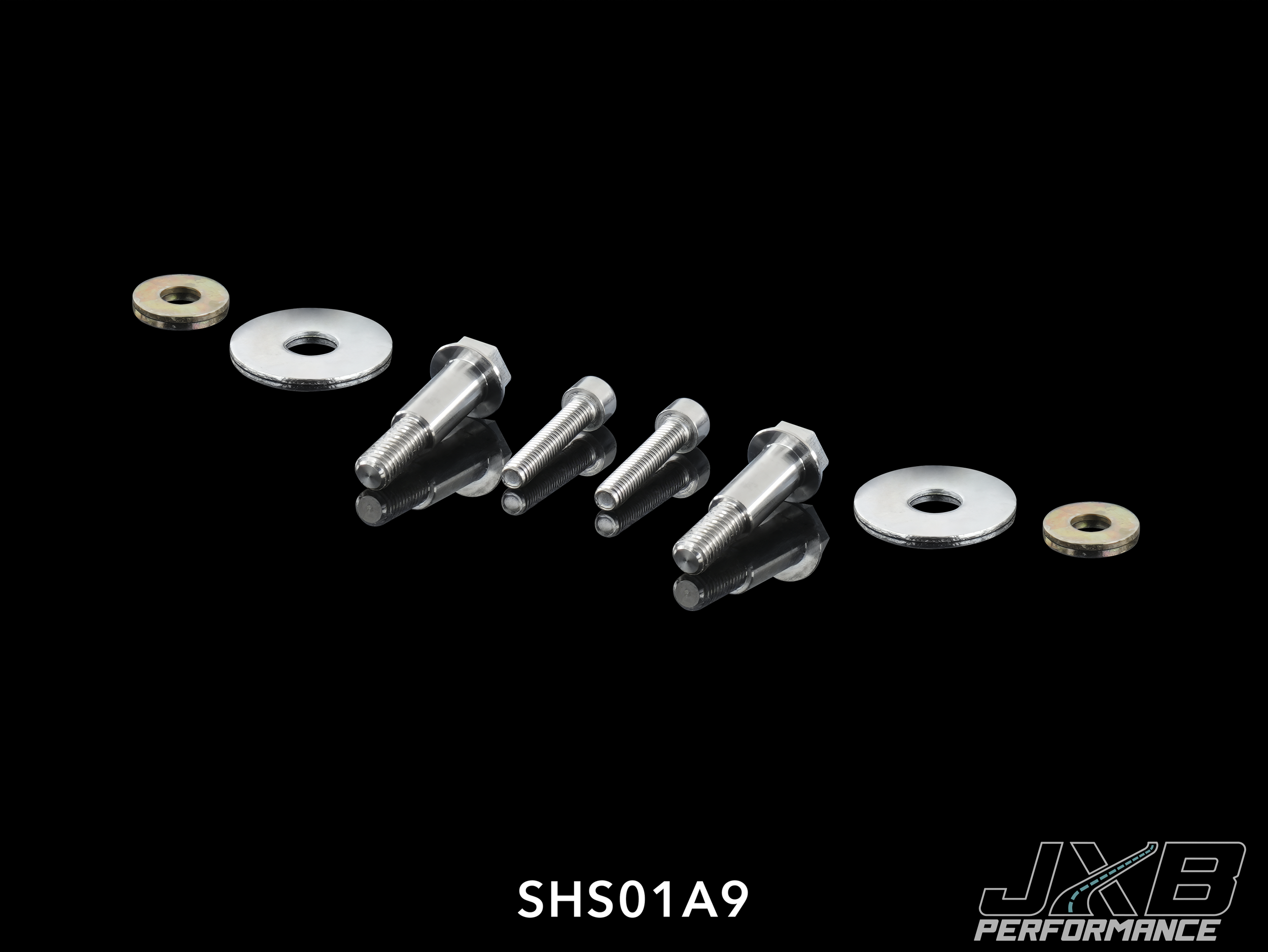
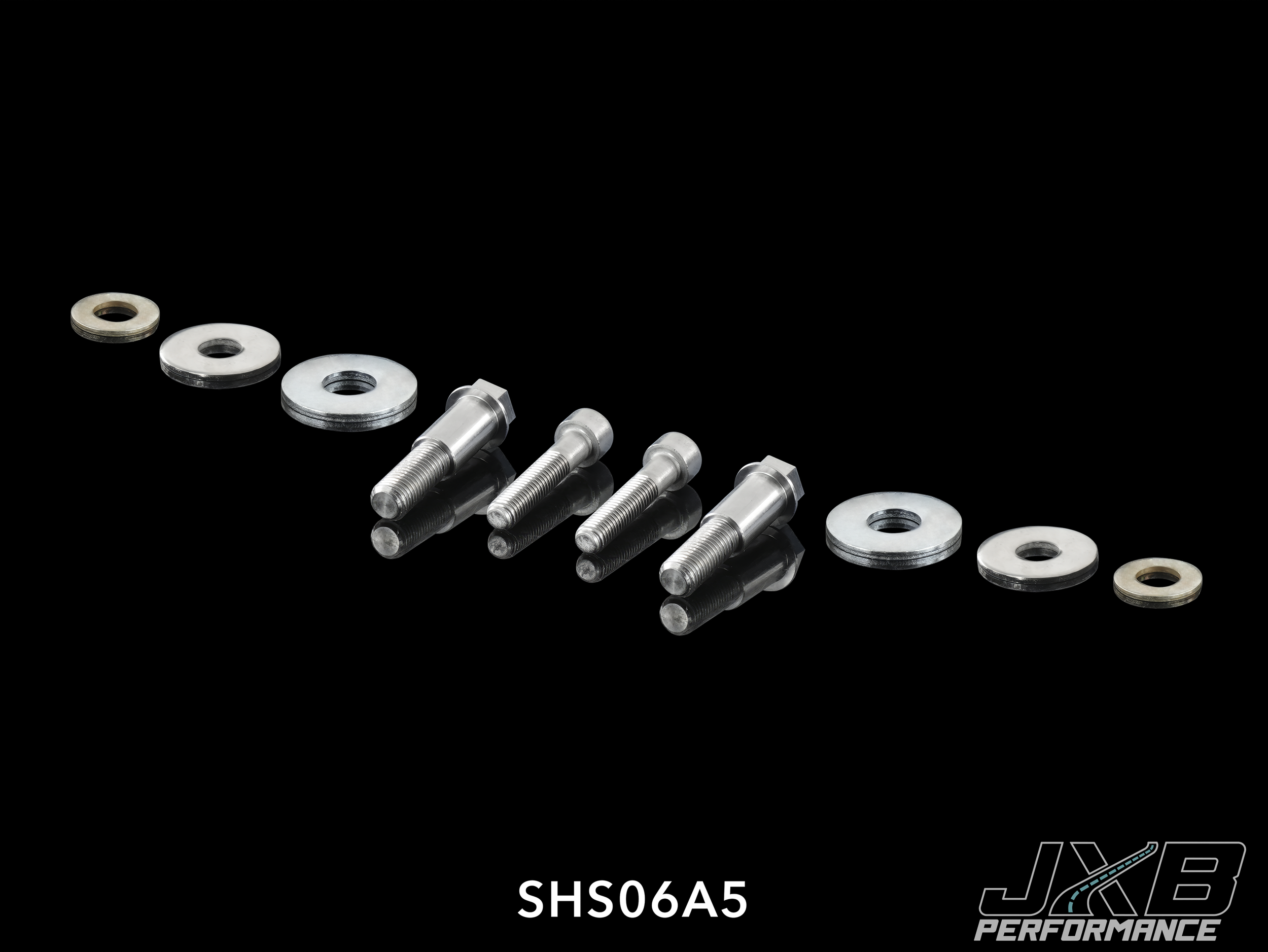
 Image 1 of 8
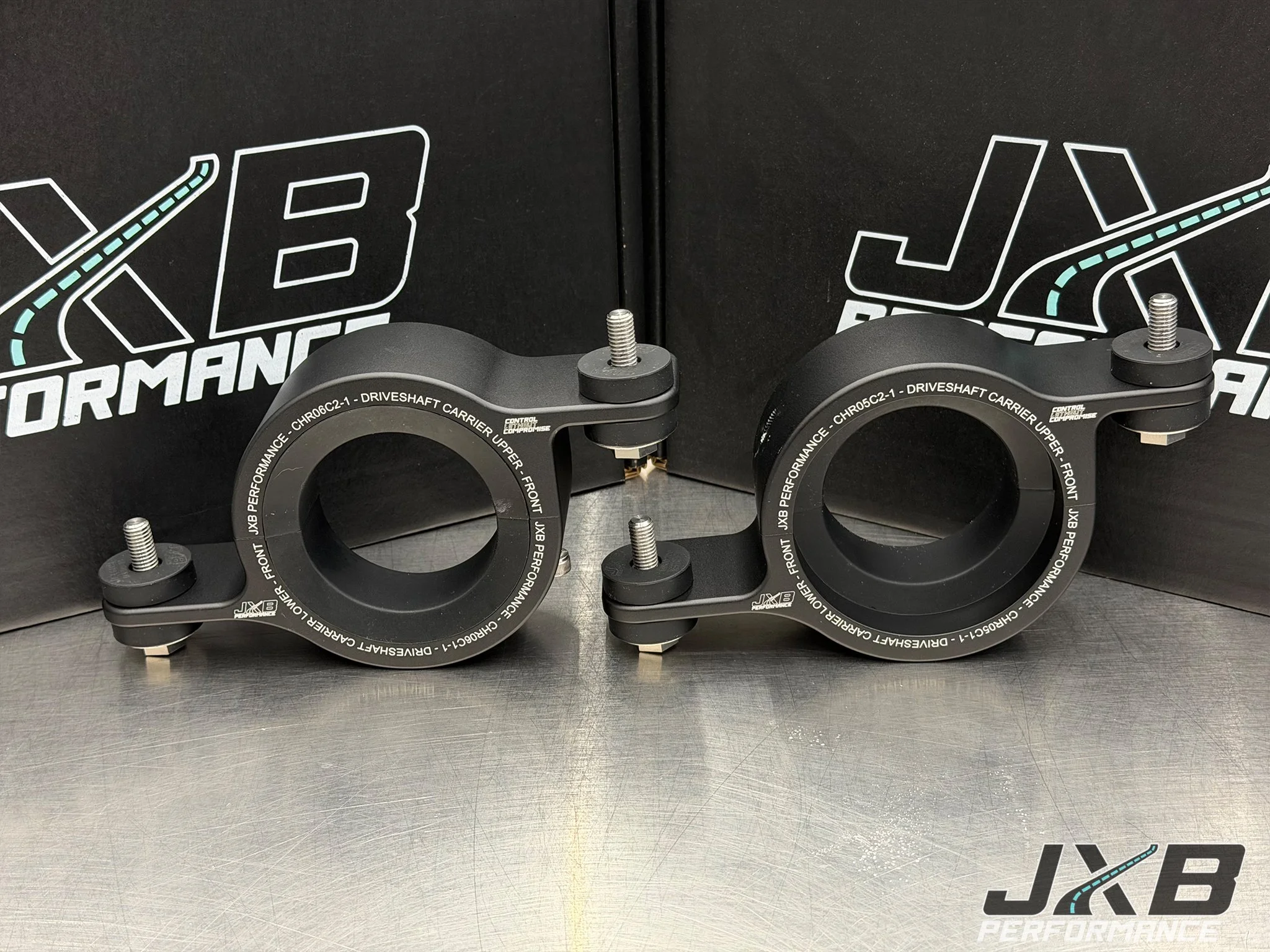 Image 2 of 8
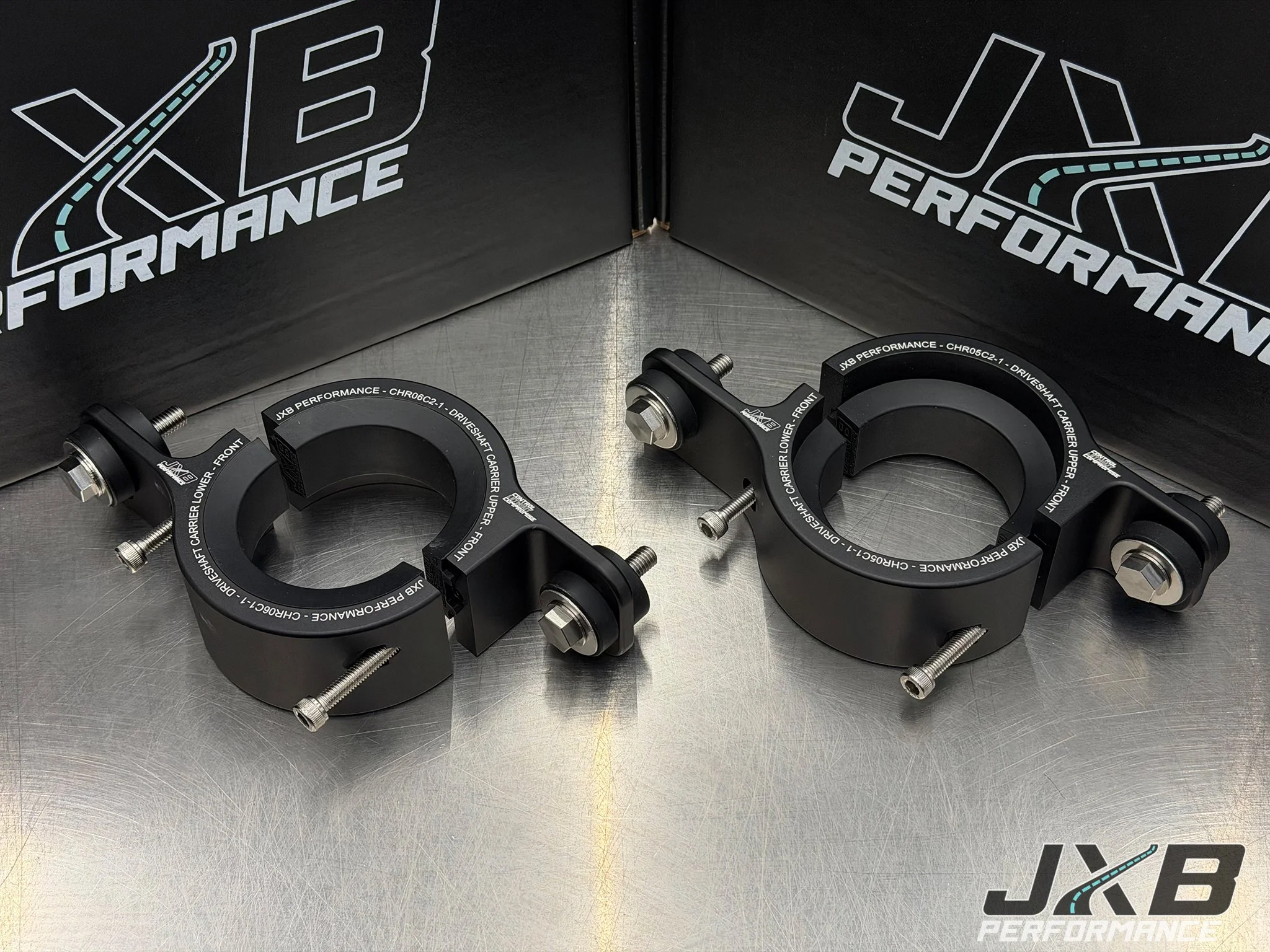 Image 3 of 8
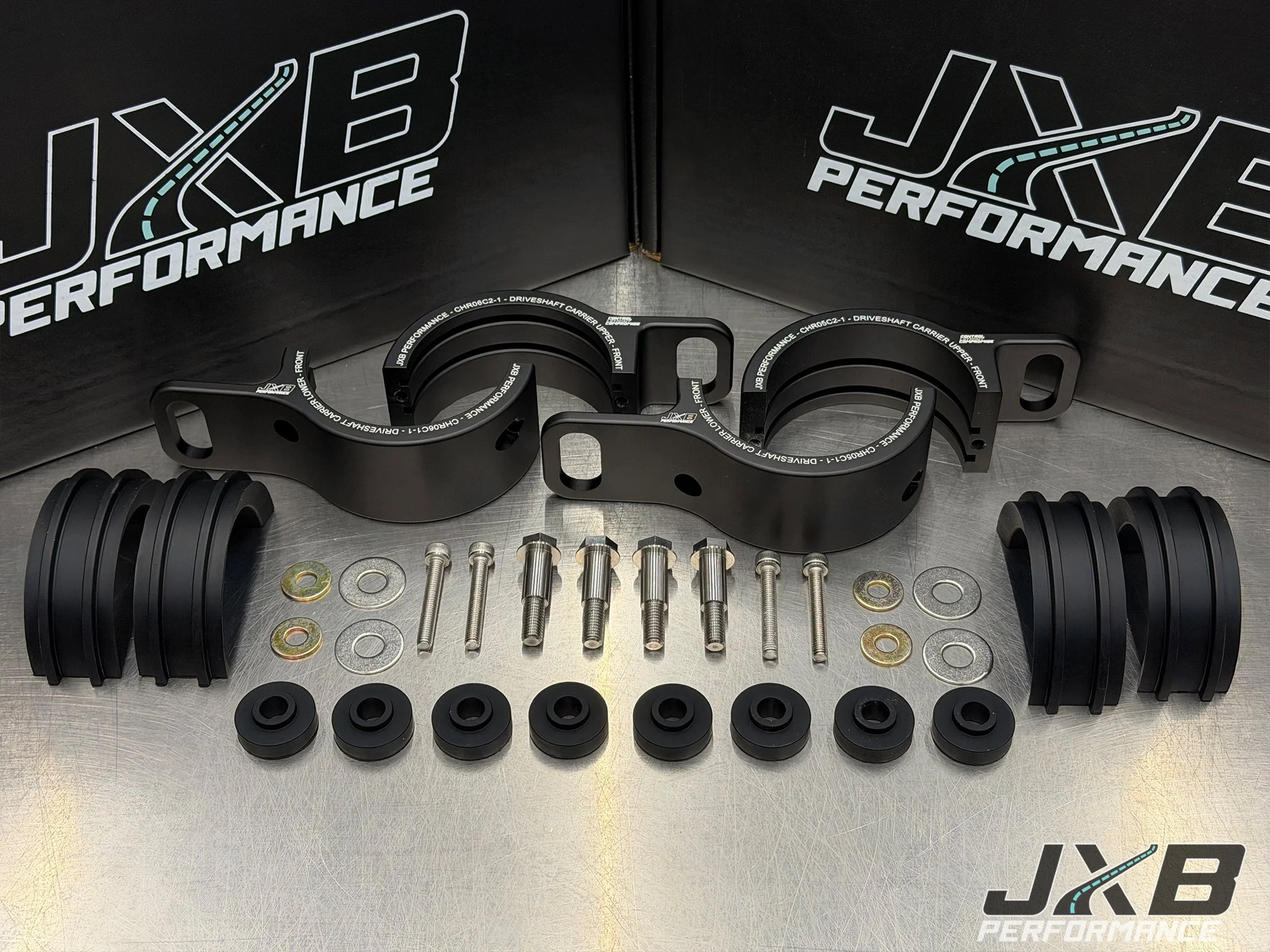 Image 4 of 8
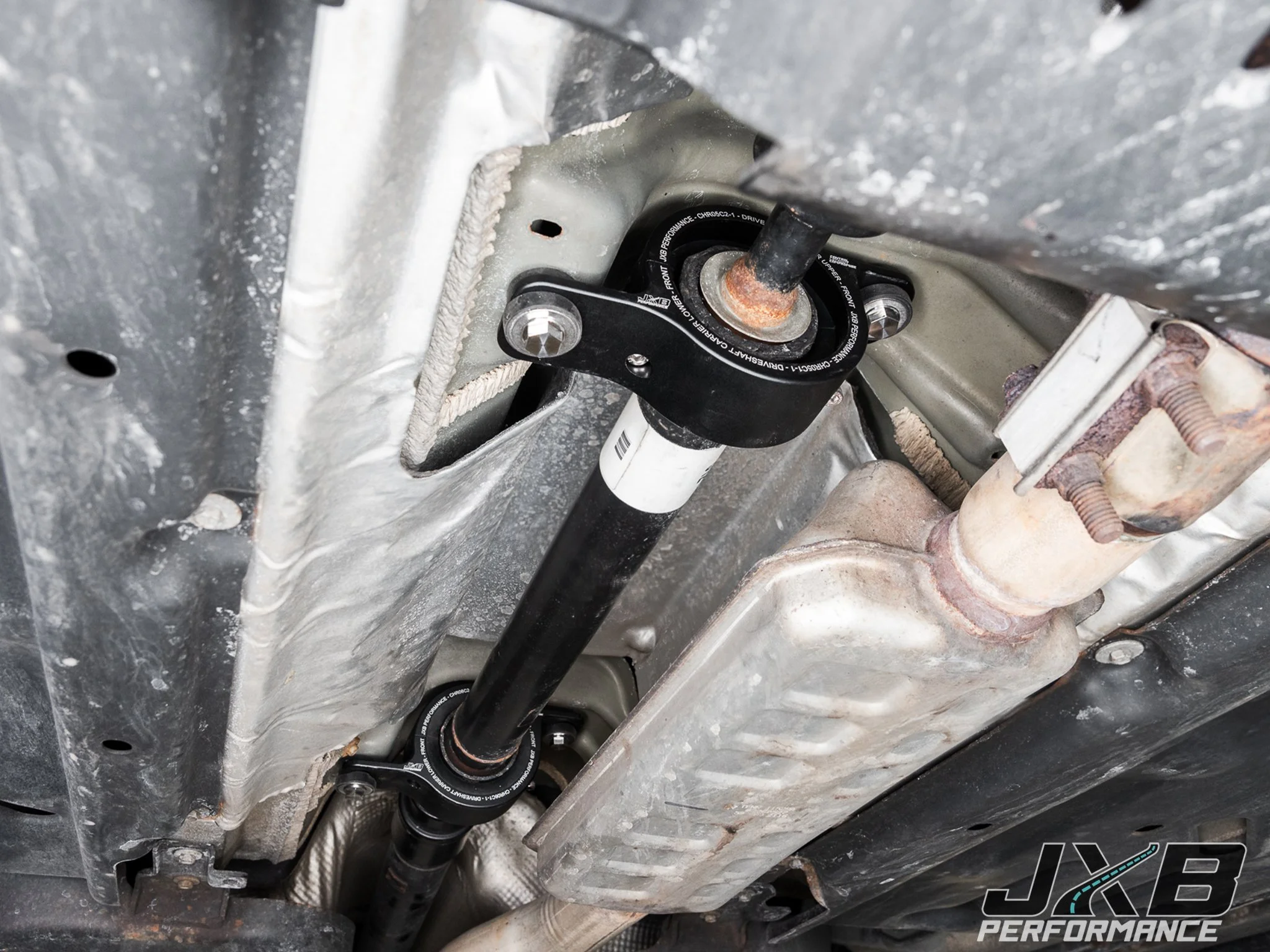 Image 5 of 8
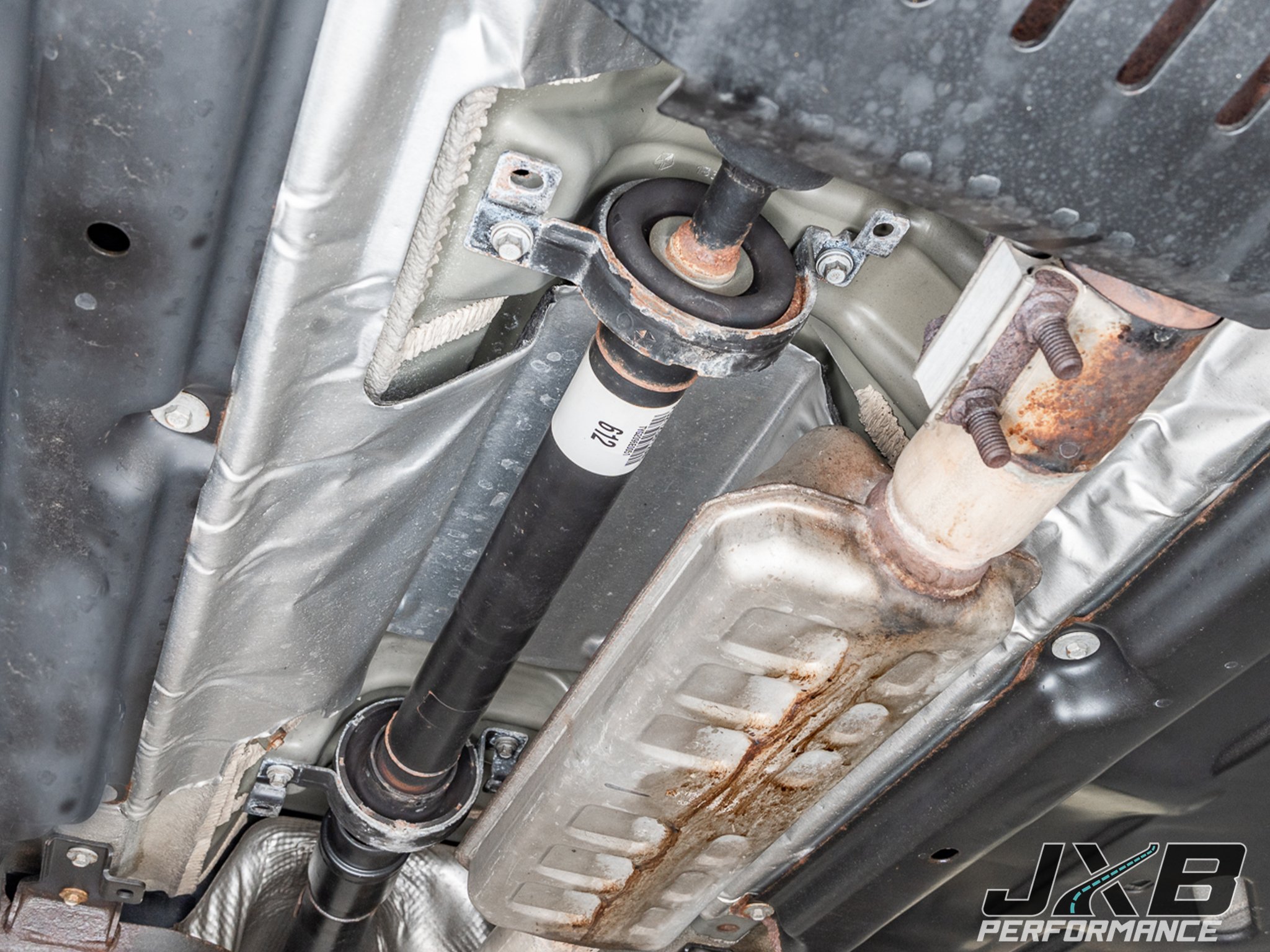 Image 6 of 8
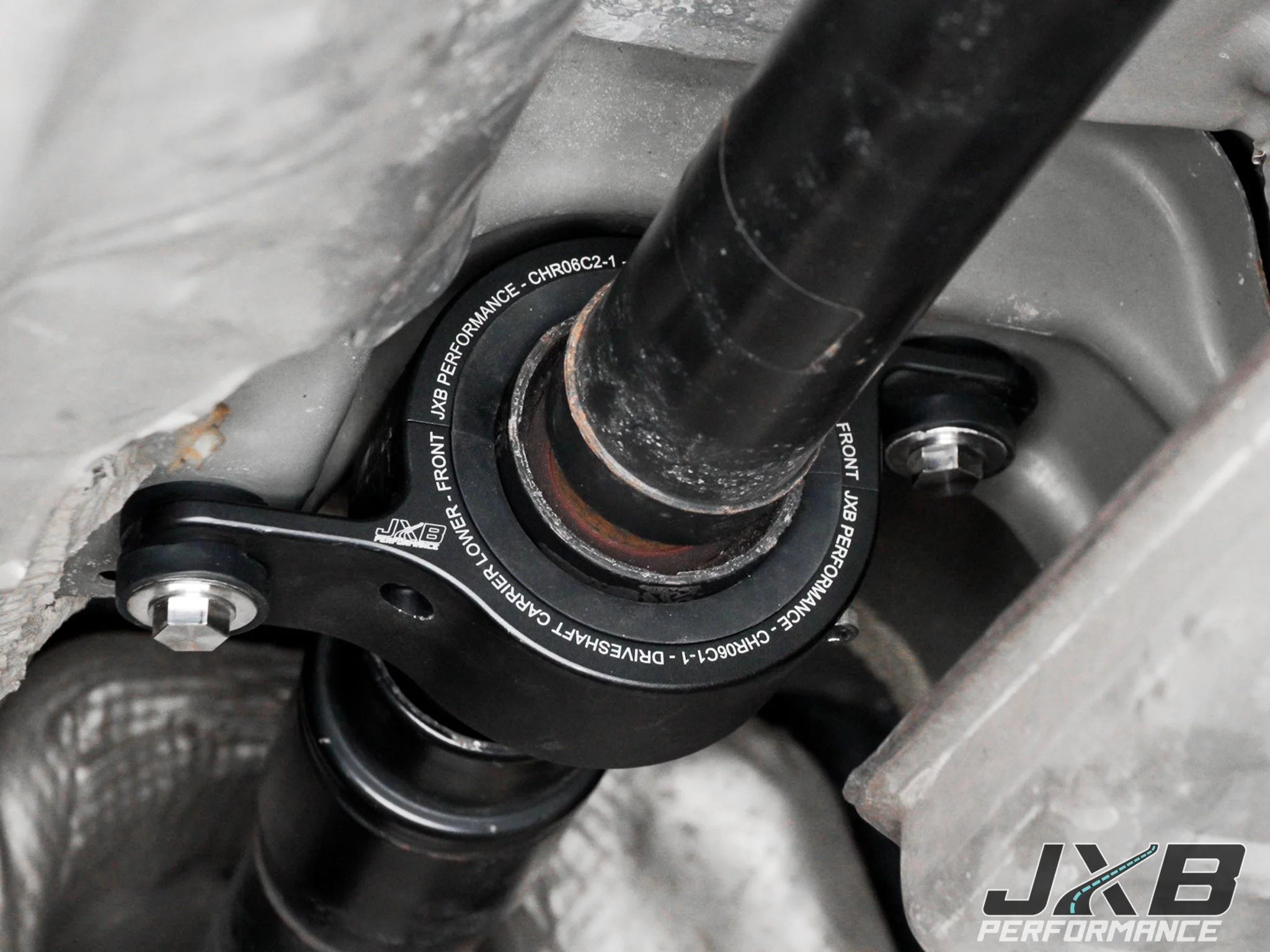 Image 7 of 8
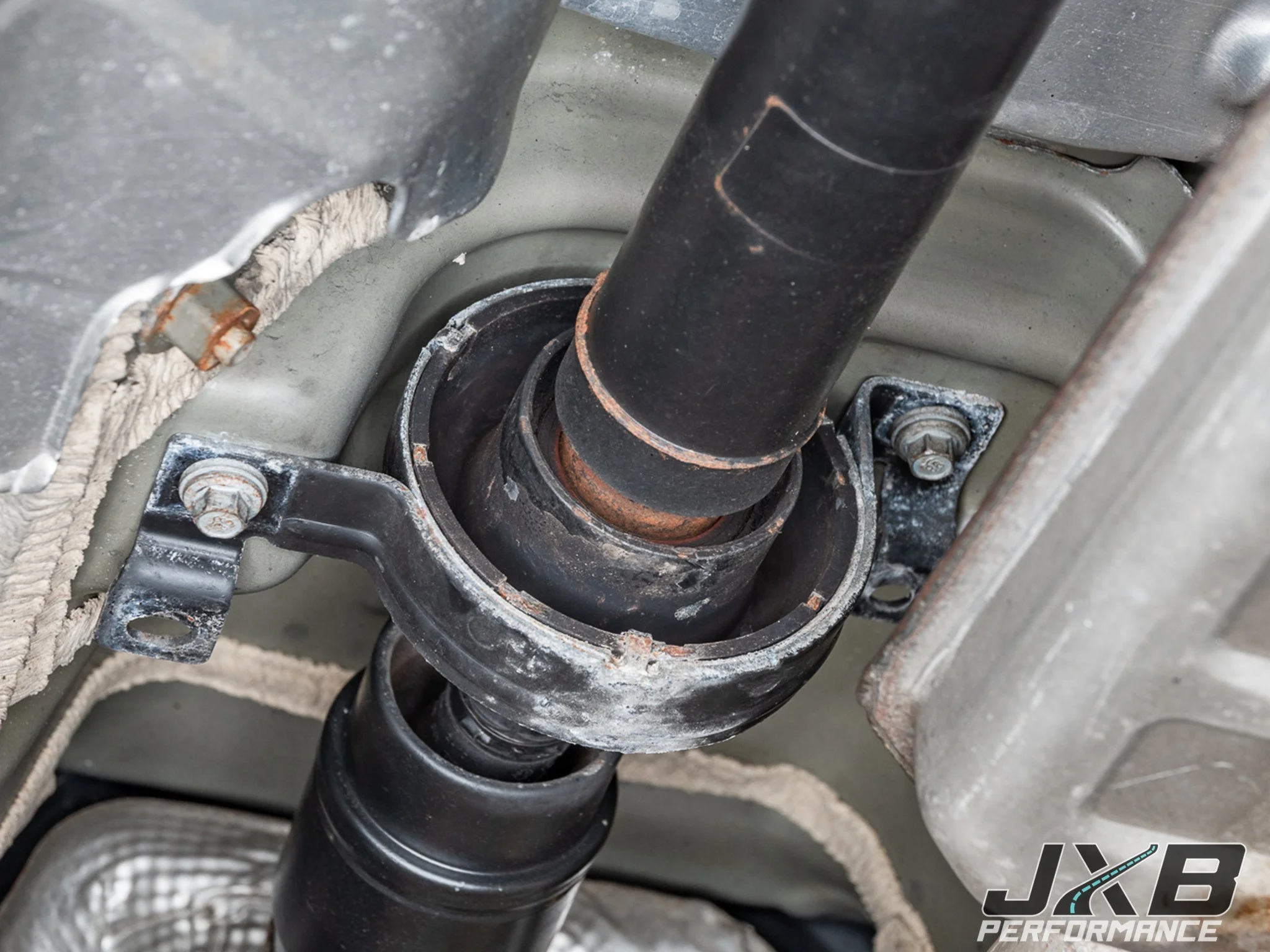 Image 8 of 8
The stock center support bearing carrier is permanently molded to the center bearing with thin rubber that sags and cracks over time and does not adequately support the driveshaft under load. This rubber generally fails long before the bearing itself has reached the end of its life. Since the center bearing is molded to the OEM carrier and difficult to service, it’s often easier to get a new driveshaft than replace the center support bearing.
When the bushing wears and sags, it changes the alignment of the driveshaft, putting more stress on the joints. During rapid loading of the driveshaft (launches, shifts, and quick application of the throttle), the bearing is allowed to travel off-center, introducing slack in the driveline, which results in laggy and unpredictable driveline response.
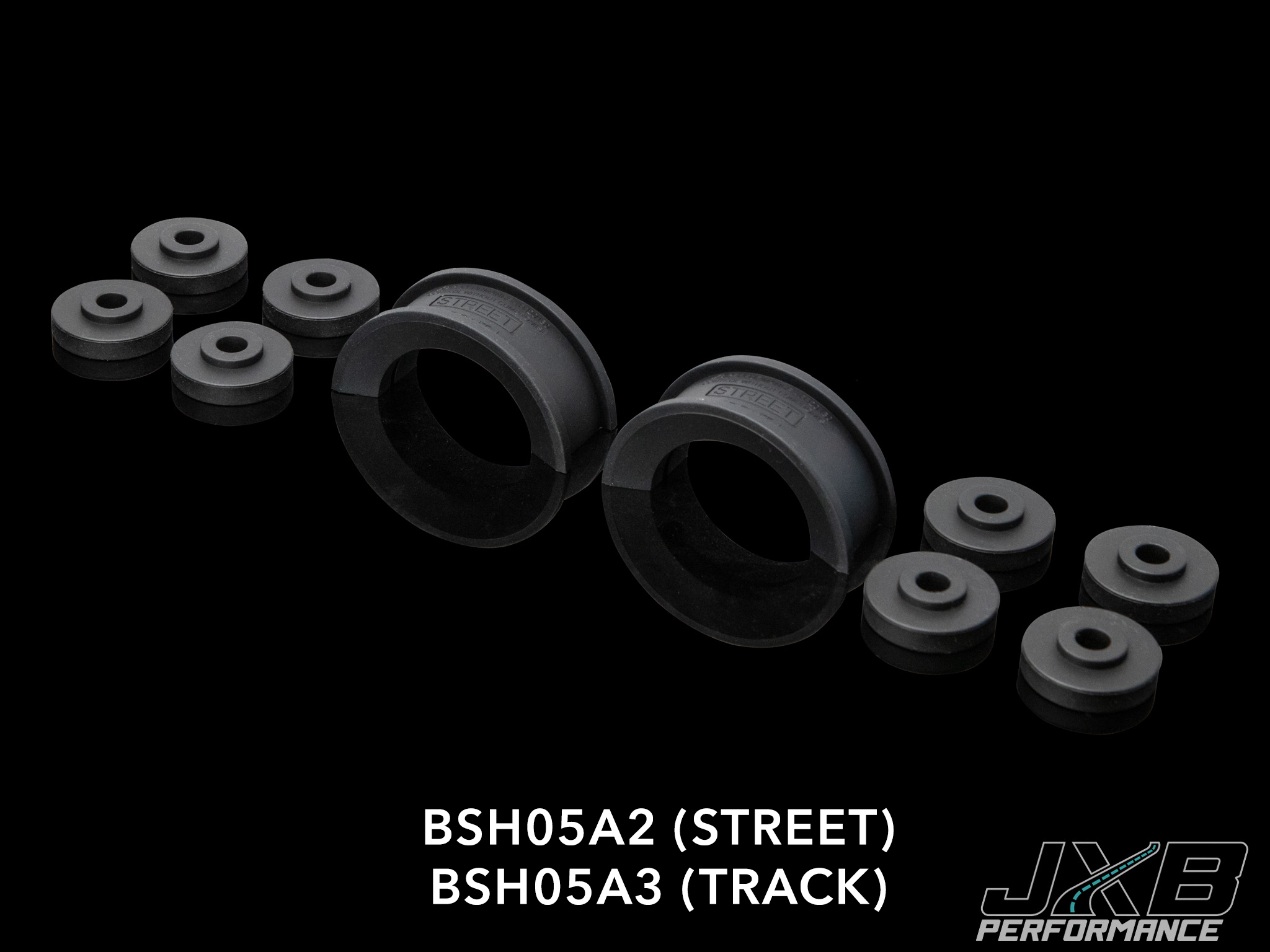
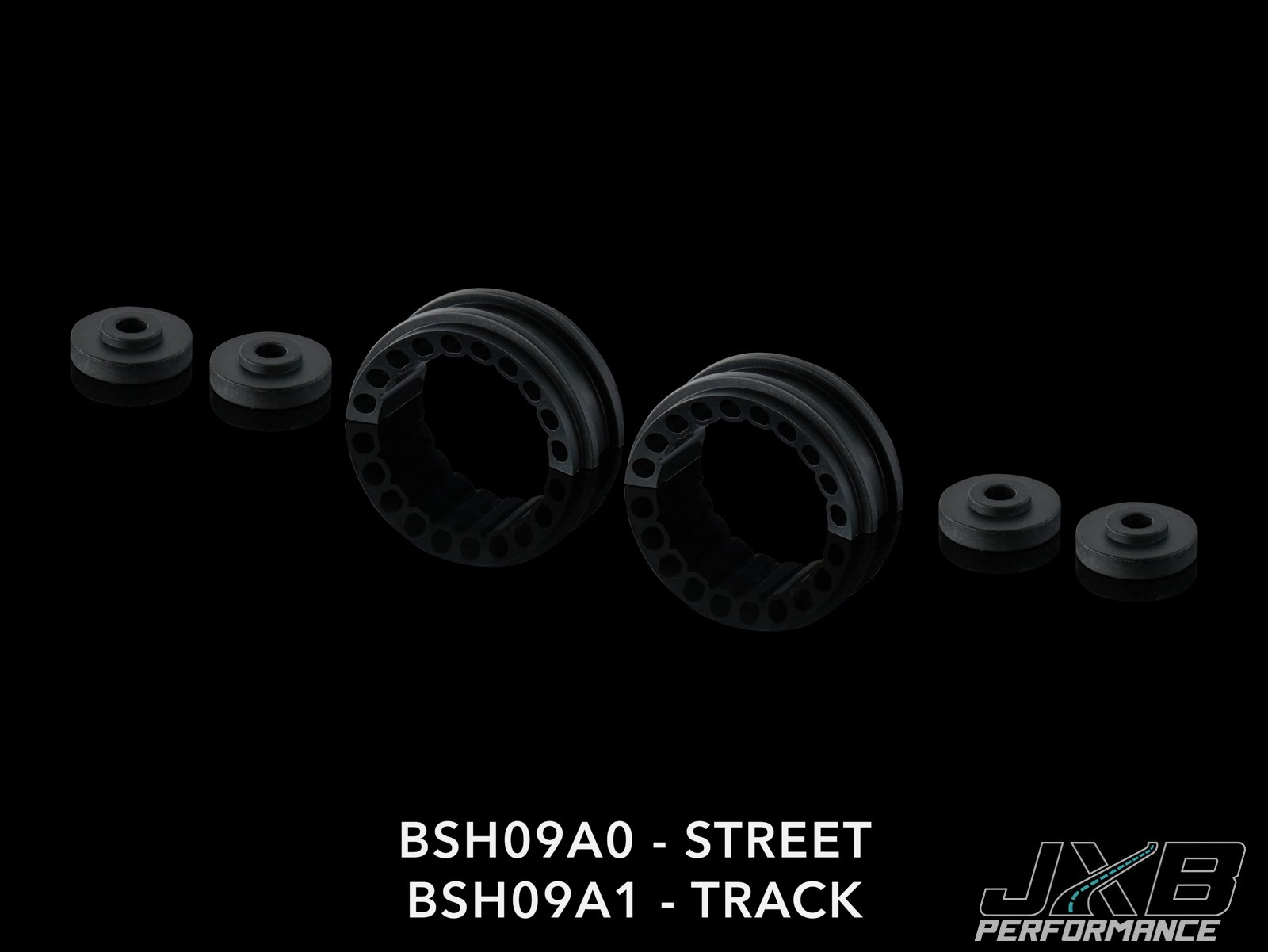
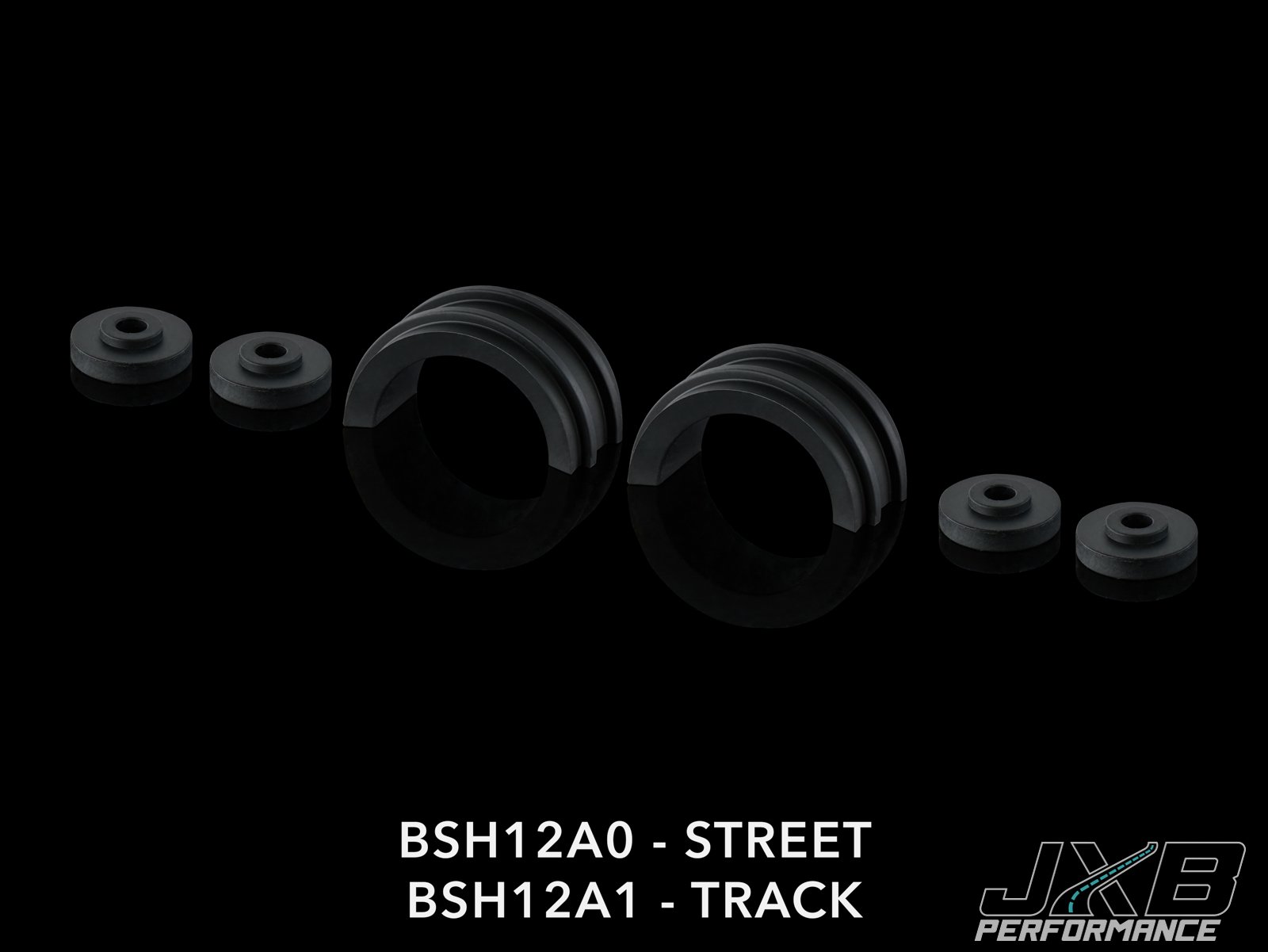
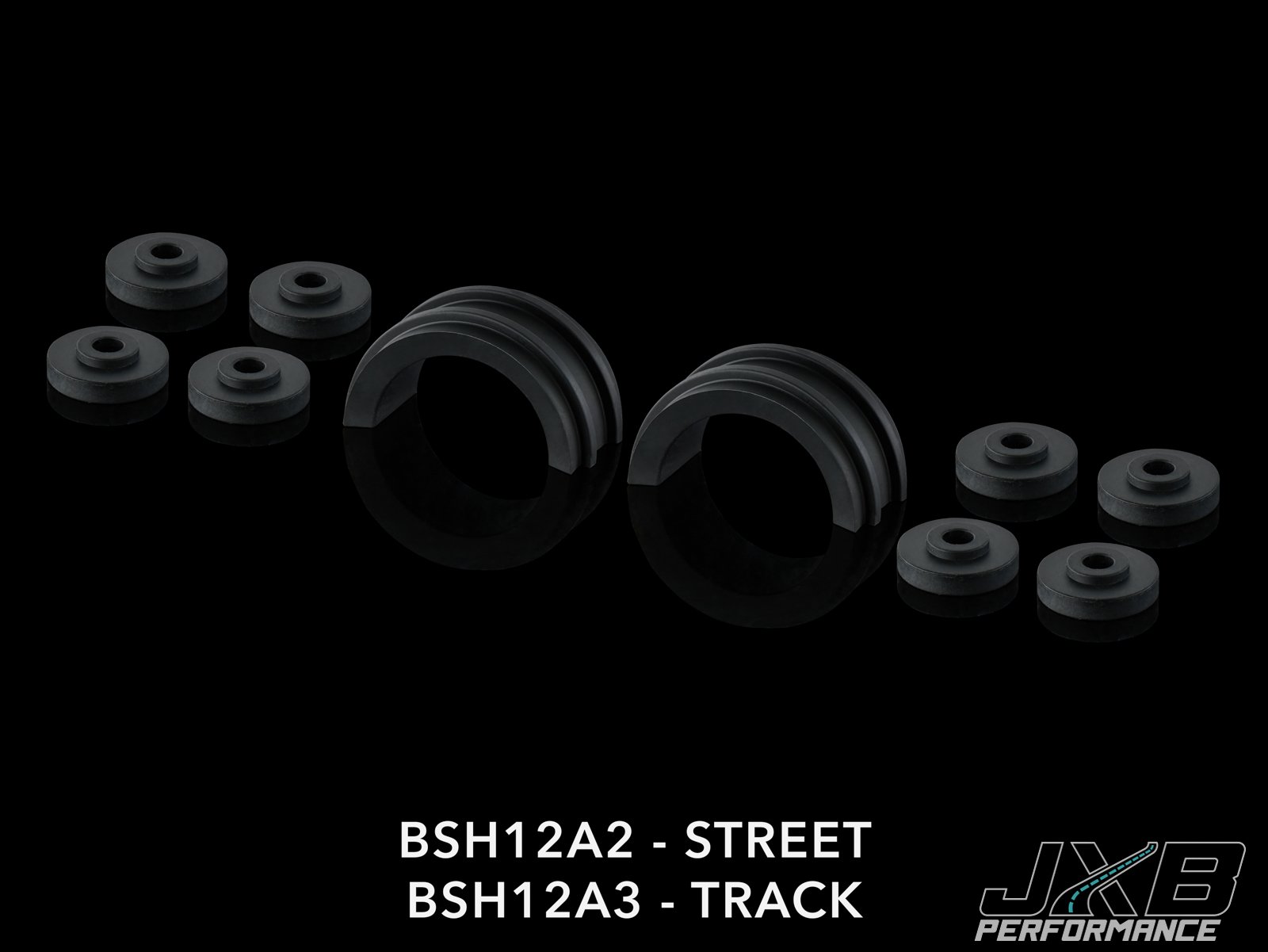
Our upgraded driveshaft carriers keep the driveshaft firmly in place at all times. The more solid bushings ensure the bearing cannot move from center, maintaining torque delivery and driveshaft alignment at all times, resulting in more direct driveline response under all conditions.
Benefits as described by our customers include:
More direct throttle response
Firmer, more direct shifts
More instantaneous launches
Reduction in vibration due to driveshaft misalignment and/or rubber deterioration
Smoother low-speed on/off throttle behavior (1st gear in parking lots)
The video below shows a comparison of how much the OEM carrier gives under load and the improvement with the JXB carrier.
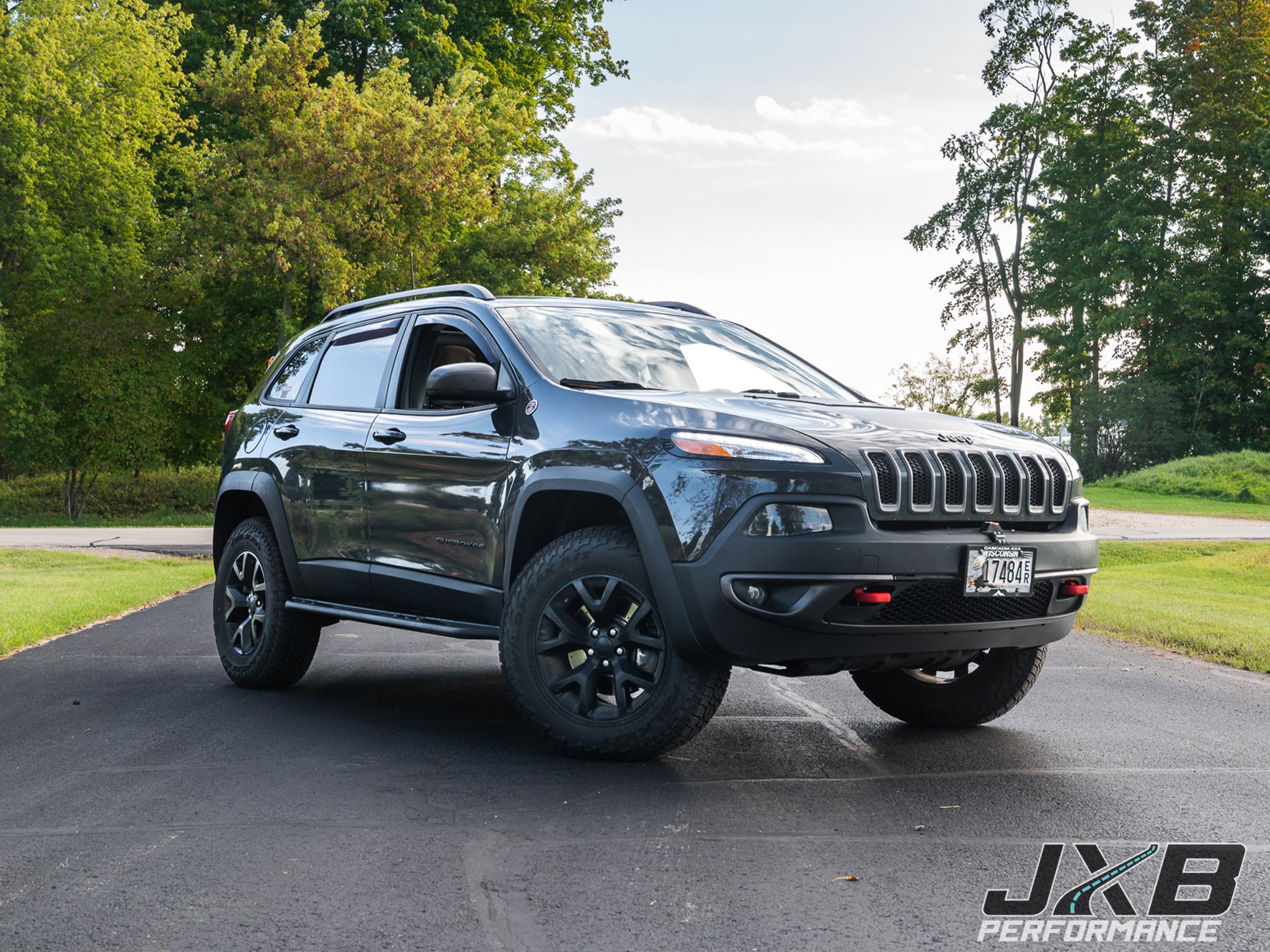
Installation doesn’t require removal of the driveshaft. The 2-part design clamps around the OEM bearing. The old carriers must be removed, so a cutting tool is required. Below is the installation of this part on an 2017 Cherokee Trailhawk.
The steps are:
Remove the heat shield sitting below the driveshaft
Cut off OEM carriers and remove rubber support material with razorblade, leaving base layer of rubber intact on the bearings
Clamp new carriers around OEM bearings
Attach to car with heat shield underneath the new carriers
Jeep KL Cherokee (2014-2023)
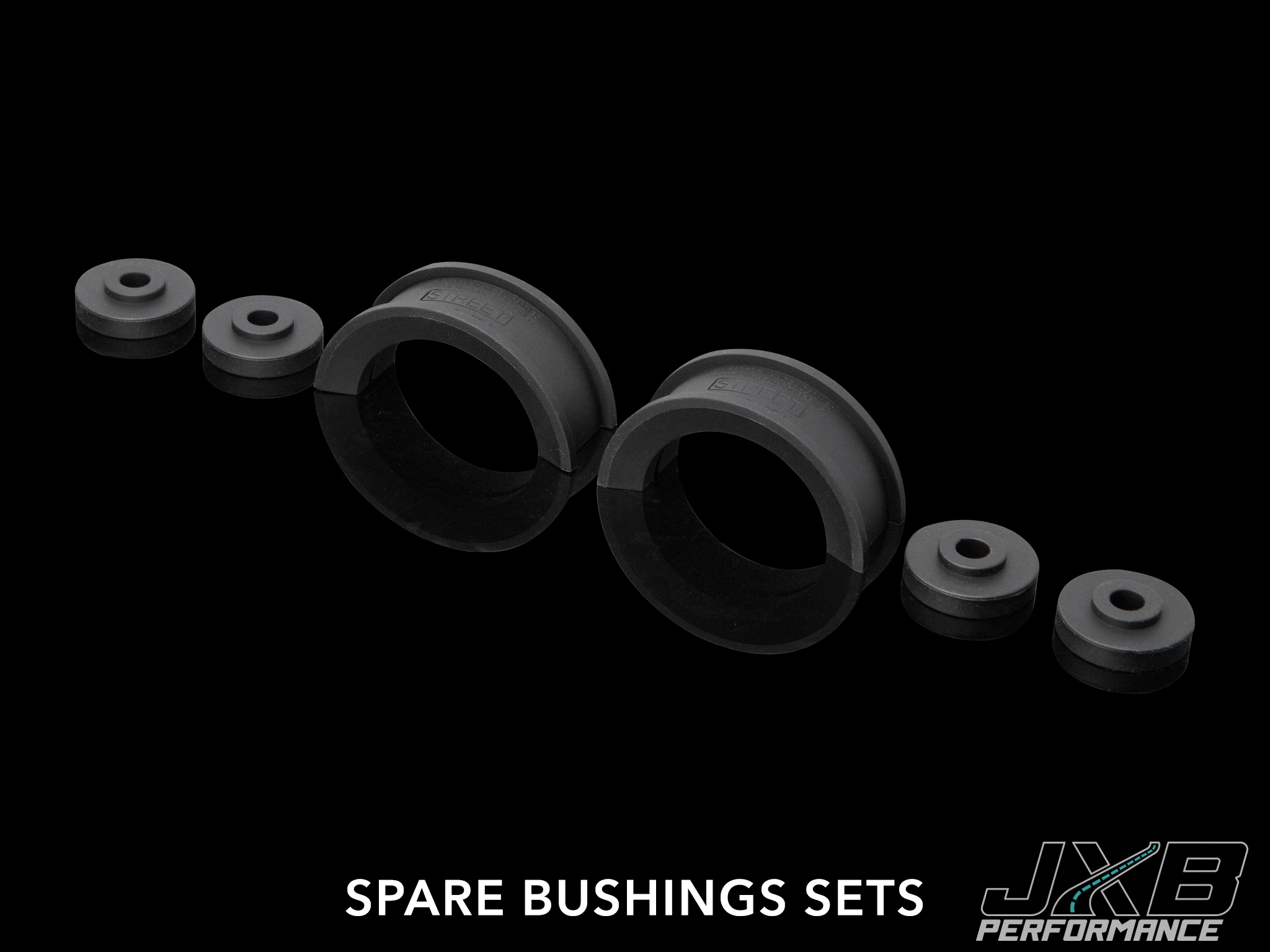
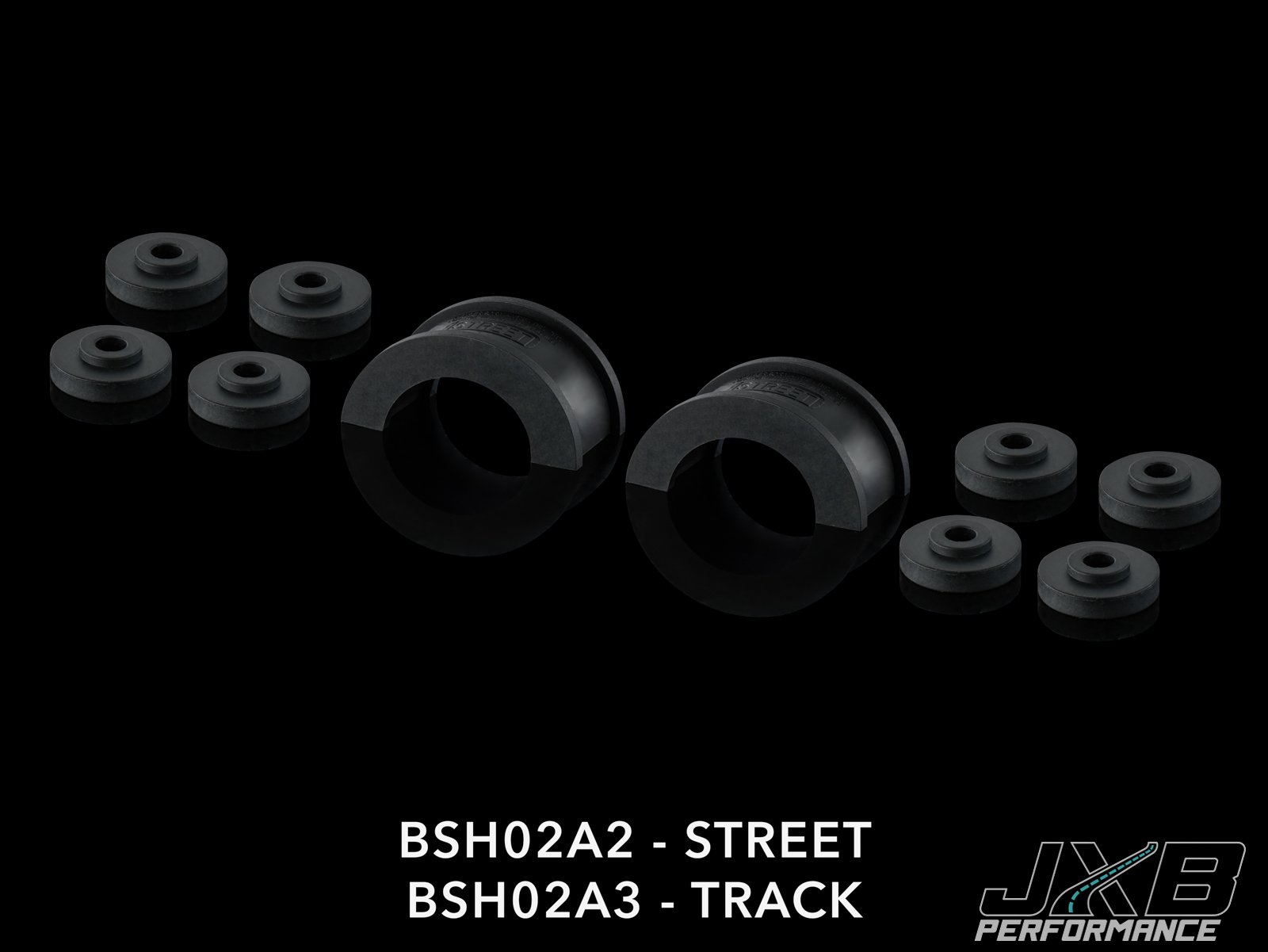
Street and Track refer to the durometer (stiffness) of the bushings. Track are roughly twice the durometer of the street bushings. Both track and street are many times stiffer than stock and will hold up to whatever abuse are thrown at them, but the street bushings are better at soaking up drivetrain noise and vibration. Usually both street and track are completely silent and vibration-free, but in cases where there is an underlying drivetrain issue causing the driveshaft to vibrate badly, the track bushings may not be able to soak it all up, where the street bushings can.
We generally recommend street bushings for any car that's not purpose-built for track or overland use, since the street bushings have a much lower chance of transmitting drivetrain NVH to the cabin at high speeds or under heavy throttle loads.
If you’re not sure which to go with, the “Give me Both!” option will give you a full set of each of the street and track bushings. You can use all street, all track, or even mix and match them to find the perfect balance of performance and NVH-absorption.
Full Assemblies
Street - CHR06A0-S
Track - CHR06A0-T
Both - CHR06A0-B